

Want to sell property faster in South Africa? 3D renders might be the solution you’re looking for. They transform how unbuilt properties are presented, offering lifelike visuals that help buyers see the final product before construction even begins. This approach is especially useful in South Africa’s competitive property hubs like Cape Town and Johannesburg, where standing out is key.
Key Takeaways:
- Boost Buyer Confidence: 3D renders eliminate guesswork, showing buyers exactly what they’re investing in.
- Faster Sales: Properties marketed with 3D visuals sell up to 73% faster.
- Engagement: Virtual tours and photorealistic visuals keep buyers interested longer, increasing the likelihood of a sale.
- Off-Plan Success: Perfect for unbuilt properties, 3D renders help secure pre-sales and funding.
In South Africa, where the housing deficit is a pressing issue, 3D renders are proving to be a game-changer for developers and estate agents. They simplify complex designs, engage buyers remotely, and speed up decision-making. Whether you’re selling eco-friendly homes or urban developments, this technology is reshaping the property market. Read on to see how it works and learn from real-world examples.
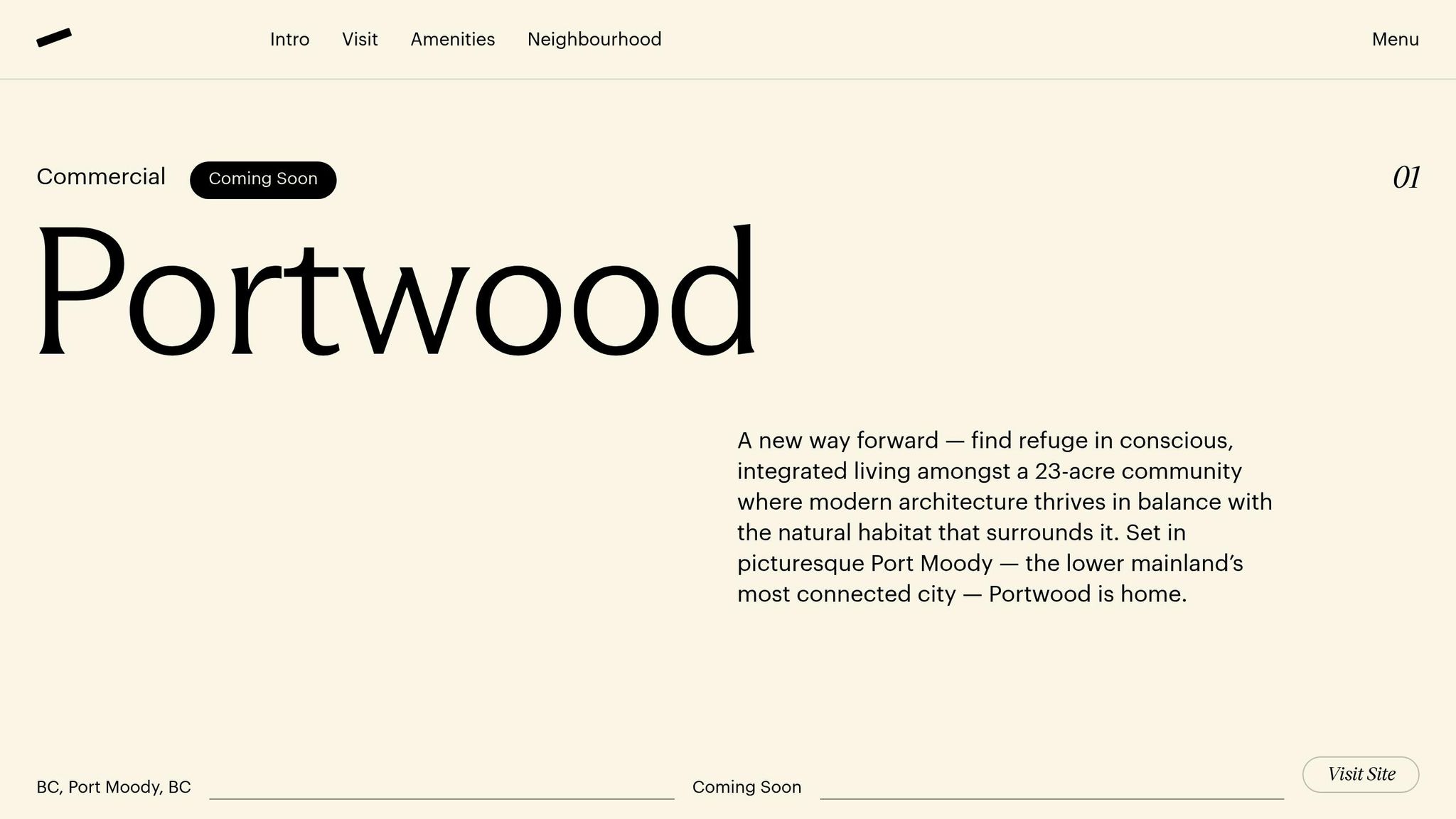
3D Marketing Video Rendering for Real Estate Development Portwood
Main Benefits of Using 3D Renders in South African Property Marketing
In South Africa’s bustling property market, 3D rendering technology has become more than just a tool for creating appealing visuals. For developers, estate agents, and architects, it offers tangible benefits that improve buyer engagement, elevate property presentation, and speed up sales.
Better Buyer Engagement
3D renders provide an immersive way for potential buyers to explore properties, even from afar. Whether it’s an overseas investor evaluating opportunities or someone unable to visit in person, these interactive visuals keep buyers engaged for longer periods. In a market as diverse as South Africa’s, where language barriers can complicate communication, 3D renders act as a universal language, simplifying complex designs and making them accessible to a wider audience.
Virtual reality takes this a step further by offering buyers a chance to "walk through" a property, creating a more personal and enjoyable experience. This emotional connection is key – when buyers can picture themselves in a space, they move from casual interest to serious consideration. In South Africa’s competitive property market, where multiple developments often vie for attention, this level of engagement can make all the difference.
Better Property Presentation
When it comes to showcasing properties, 3D renders shine. They go beyond static images to illustrate every detail: how sunlight filters through a room, the textures of materials, and the overall atmosphere of a space – all before construction even begins.
For developers working on off-plan projects, this technology allows them to highlight custom features and finishes that aren’t yet built. It also offers flexibility to cater to different buyer preferences by presenting various layouts and styles without the need to physically stage multiple units. This is particularly valuable in cities like Johannesburg and Cape Town, where developments compete for attention. 3D renders give buyers a more immersive view, helping properties stand out in crowded urban markets.
Faster Sales and More Buyer Confidence
The combination of better engagement and enhanced presentation directly impacts sales. Properties with virtual tours receive 87% more views, with buyers spending 5–10 times longer on listings that include these features. In South Africa’s urban centres, where competition is fierce, this can be a game-changer.
Interestingly, over half of buyers won’t even consider viewing a property in person if it lacks a virtual tour option. This shift has made 3D visualisation an essential part of property marketing. For off-plan developments, it’s especially crucial. Buyers and investors gain a clearer understanding of the project, reducing uncertainty and making it easier to commit to a purchase.
"3D renderings are also among the most cost-efficient marketing tools and can be used on various communication channels to attract all spectrum of demographics." – Jubayer Ahmad, Interior Designer
3D renders not only speed up the sales process but also improve buyer confidence. By allowing potential buyers to explore a property virtually, they arrive at decisions with clearer expectations and fewer doubts. This clarity is invaluable for developers, particularly when seeking early-stage investments. Visualising a project’s scale and design helps secure pre-sales and attract investors, even before construction begins.
The impact of 3D rendering technology is evident across South Africa’s property market, as demonstrated by the case studies that follow.
Case Studies: How 3D Renders Sped Up Property Sales in South Africa
Tackling common marketing challenges, these case studies reveal how 3D renders have accelerated property sales in South Africa. By simplifying design concepts and engaging potential buyers, these examples highlight the power of visualisation in property marketing. Let’s dive into two standout projects that turned 3D renders into measurable success.
Eco-Friendly Rural Development: A Success Story
A housing project near Cape Town successfully used 3D renders to market an eco-resort concept to buyers who couldn’t visit the site in person. The project focused on meeting local housing needs through environmentally conscious designs. With detailed 3D visualisations, they showcased passive solar design and sustainable construction techniques. For example, the renders illustrated how sunlight would filter into each unit throughout the day, making complex design ideas easy to understand for non-technical audiences.
Urban Commercial Development: Securing Investor Interest
In Johannesburg’s central business district, a mixed-use commercial development demonstrated the ability of 3D renders to win over investors quickly. The project combined office spaces, retail areas, and entertainment zones, all presented through realistic 3D visuals. These renders highlighted the modern architecture, efficient use of space, and the prime location of the development. By doing so, they helped investors grasp the scale and potential value of the project at a glance.
These examples show how 3D rendering technology can transform property marketing in South Africa. By breaking down complex designs into clear, engaging visuals, developers and agents can speed up decision-making and achieve better business results.
sbb-itb-f5a6292
Best Practices for Using 3D Renders in Property Marketing
To make the most of 3D renders in property marketing, you need more than just stunning visuals. A well-thought-out strategy can turn intricate architectural designs into visuals that resonate with buyers and drive sales. Here’s how you can weave 3D renders seamlessly into your marketing efforts.
Step-by-Step Guide to Using 3D Renders
Incorporating 3D renders into property marketing involves a methodical process to maximise their impact.
Start with conceptualisation and planning, where you define your objectives and choose the best type of visualisation – be it interior, exterior, or aerial renders. This decision ensures that the renders highlight the property’s most appealing features.
Next comes 3D modelling and texturing, where digital representations of the property are created. Realistic materials, finishes, and design elements are added to help potential buyers picture the final product. The lighting and rendering stage follows, producing photorealistic images that show how natural light interacts with the space throughout the day. This step addresses common buyer concerns, like how bright or inviting a home feels.
During the integration phase, these polished renders are distributed across platforms like websites, social media, virtual tours, and even print materials. For instance, a luxury condo project saw a 25% faster sales cycle after using high-quality 3D renders.
Finally, feedback collection closes the loop. Gathering responses from potential buyers helps refine future marketing strategies by identifying which visuals resonate most effectively with your audience.
Adapting 3D Visuals to Local Preferences
To truly connect with South African buyers, it’s essential to align 3D renders with local tastes and standards. Regional architectural styles, such as Cape Dutch-inspired designs in the Western Cape or sleek urban aesthetics in Gauteng, should be reflected in your visuals. Including these familiar elements creates an emotional connection that makes the property feel more relatable.
Ensure that floor plans use metric measurements, distances are in kilometres, and temperatures are shown in Celsius. Additionally, incorporating cultural elements into the renders – such as furniture, artwork, or lifestyle accessories – can make a property feel more inviting to South Africa’s diverse population. For example, homes targeting specific demographics can benefit from interior designs that reflect their lifestyles and preferences.
Outdoor living is another key focus for South African buyers. Highlighting features like braai areas, swimming pools, or lush gardens can generate more interest than interiors alone. These elements align with the local climate and lifestyle, making properties more appealing.
By tailoring 3D visuals to local preferences, you can significantly boost buyer engagement. Professional rendering firms with expertise in the South African market can help ensure your visuals align with both brand and project goals.
Using Marketing Channels in South Africa
A strong distribution strategy is just as important as creating quality renders. In South Africa, specific channels stand out for their effectiveness in showcasing 3D visuals.
Social media platforms like Instagram and Facebook are ideal for sharing high-quality 3D imagery. These eye-catching visuals often lead to higher engagement and inquiry rates compared to traditional photography.
Virtual tours have become a game-changer in property marketing. With 77% of buyers preferring virtual tours over in-person viewings, these immersive experiences allow potential buyers to explore properties without leaving their homes. This is especially useful for off-plan developments. Properly executed virtual tours can improve conversion rates by 16% to 67%, and 62% of buyers are more likely to work with agents who use VR technology.
Website integration is another powerful tool. Adding 3D renders to property websites enhances the user experience and builds trust. Features like interactive floor plans paired with renders make it easier for buyers to understand the layout and flow of a property.
Email marketing campaigns also benefit from 3D renders. Including these visuals in newsletters can effectively highlight key property features and keep leads engaged over the long sales cycles typical in real estate.
For real estate exhibitions and open houses, large-format prints of 3D renders can create a lasting impression. These physical displays help properties stand out in competitive environments.
"The best marketing real estate projects using 3D renderings can significantly influence potential clients’ interest and decision-making." – Gregory Gronbacher, Seasoned Real Estate Sales Agent
Comparison: 3D Renders vs Standard Marketing Visuals
In South Africa’s property market, choosing between 3D renders and traditional visuals can significantly influence sales outcomes. Each approach has its own strengths and limitations, and understanding these can help you align your marketing efforts with your budget and timelines. Here’s a closer look at how these methods stack up against key marketing metrics.
Traditional photography excels in showcasing completed properties with a sense of authentic realism. By capturing actual spaces, natural lighting, and genuine textures, it creates a connection that feels tangible. However, this method is heavily influenced by weather conditions and lighting, making it unsuitable for off-plan developments where no physical space exists yet.
On the other hand, 3D renders offer unparalleled control and flexibility. They allow developers to fine-tune lighting, materials, and design elements, making them ideal for projects still under construction. This technology also makes it easier to adapt visuals for different platforms and even enables A/B testing to optimise engagement rates.
Cost is another factor that sets these methods apart. While traditional photography involves expenses like studio rentals, equipment, and personnel, 3D rendering becomes more budget-friendly when multiple variations are required. Additionally, coordinating photography sessions across various construction phases can be challenging and time-consuming. In contrast, 3D renders allow developers to produce visuals for an entire portfolio efficiently, without the logistical hurdles of physical staging or transportation.
Another advantage of 3D renders is their compatibility with AR and VR technology, which enhances virtual tours – a feature traditional photography simply cannot match. Interestingly, 75% of prospective buyers regard virtual tours as a critical decision-making tool.
Comparison Table: Key Metrics
Here’s a breakdown of how 3D renders, traditional photography, and blueprints compare across essential metrics:
| Metric | 3D Renders | Traditional Photography | Blueprints/2D Plans |
|---|---|---|---|
| Buyer Engagement | Buyers spend 5–10 times longer on 3D listings | Standard engagement rates | Limited engagement due to interpretation challenges |
| Time on Market | Properties sell up to 31% faster | Typical market timelines | Often require additional explanation |
| Cost Efficiency | More cost-effective for multiple variations | Higher production costs due to logistics | Lower cost but limited marketing appeal |
| Off-Plan Suitability | Ideal for unbuilt projects | Not suitable for unbuilt properties | Limited appeal for marketing |
| Buyer Confidence | Listings with virtual tours get 87% more views | High for completed properties | Requires buyers to interpret 2D information |
| Flexibility | Easy to modify and customise | Changes require reshoots | Static imagery with no flexibility |
| Lead Qualification | Immersive experiences enhance qualification | Often needs physical viewings | Minimal value in qualifying leads |
The effectiveness of 3D renders is demonstrated by real-world examples. For instance, a downtown loft marketed with complete 3D rendering by Bella Virtual generated 40% more inquiries within two weeks. Potential buyers spent an average of 35 minutes on the listing page – almost double the usual time – and the property secured a full-price offer in under 30 days.
Blueprints and 2D plans, while crucial for construction, often fall short in marketing due to their reliance on buyers’ spatial imagination. In contrast, 3D house plans simplify interpretation and reduce misunderstandings that could derail a sale.
Ultimately, the choice between these approaches depends on the type of property and the target audience. For off-plan developments, 3D renders are indispensable, bridging the gap between technical plans and what buyers envision. For completed luxury homes, blending high-quality photography with 3D renders can deliver exceptional marketing results. Unlike photography, which is subject to external factors, 3D rendering consistently adapts to market needs.
Conclusion: Using 3D Renders to Boost Property Sales in South Africa
The success stories shared earlier highlight how 3D renders are reshaping property sales in South Africa. From Cape Town’s high-end developments to family homes in Johannesburg, developers using this technology are seeing shorter sales cycles and achieving higher prices.
Properties that once struggled to sell have found new life through 3D visualisation. Developers have closed deals within months and, in many cases, secured offers above the asking price by presenting properties with detailed, realistic renders.
Getting quality 3D renders into the marketing process early is a game-changer for developers and estate agents. It allows potential buyers to fully grasp the vision of a project, which is particularly crucial for off-plan developments. This approach not only engages buyers more effectively but also speeds up the entire sales process.
To make this work, it’s vital to collaborate with professional 3D rendering firms familiar with South Africa’s market. They can create visuals that align with your brand and appeal to local buyers. These renders can then be used across platforms like websites, social media, brochures, and even billboards, creating a consistent and impactful marketing strategy.
Another advantage is the efficiency of 3D renders. They’re quicker and more cost-effective when you need multiple versions or updates for ongoing marketing efforts. For instance, one eco-friendly housing project used 3D renders to showcase sustainable design features, gaining community support and attracting funding for construction.
In an increasingly competitive property market, 3D renders are no longer optional – they’re essential. They reduce buyer hesitation, provide clarity for stakeholders, and build trust in a project before construction even starts. Whether it’s a sleek apartment in Cape Town or a suburban home in Johannesburg, 3D renders offer the visual clarity today’s buyers expect.
FAQs
How can 3D renders help sell property faster in South Africa?
3D renders help buyers picture a property more clearly by providing lifelike and engaging visuals. This reduces any doubts they might have and allows them to form an emotional connection with the space, even before stepping inside.
By presenting properties in the best possible way, 3D renders generate more interest early in the process, leading to increased engagement. In South Africa, using 3D renders has been shown to cut sales cycles by as much as 31%, enabling developers and agents to secure deals more quickly while leaving a strong impression on potential buyers.
Adding 3D renders to your marketing approach not only improves how your property is showcased but also boosts buyer confidence, making it a powerful asset in the competitive world of real estate.
What makes 3D renders better than traditional photography for property marketing?
3D renders offer a level of flexibility and creative control that’s hard to beat. They let you showcase properties that haven’t even been built yet, with customisable angles, lifelike visuals, and the option to present various design choices or finishes – all without incurring extra costs. On the other hand, traditional photography captures the authentic feel of a property but is restricted to existing spaces and often requires more time and money for updates or adjustments.
In South Africa’s competitive property market, 3D renders can be a game-changer. They make it easier to craft eye-catching marketing materials that grab buyers’ attention. Plus, they help potential buyers imagine the full potential of a property, speeding up decision-making and boosting sales.
How can 3D renders be customised to resonate with South African property buyers?
To make 3D renders more appealing to South African buyers, developers should focus on integrating local architectural styles, materials, and design elements that capture the region’s distinctive charm. Incorporating realistic lighting that mirrors South Africa’s natural sunlight and highlighting outdoor living spaces, which are central to the local lifestyle, can make the visuals more relatable and inviting.
It’s also important to include local touches like indigenous plants, recognisable landscapes, and culturally resonant design features. Use metric measurements and present prices in rands (R) to meet local expectations. These thoughtful details help create visuals that resonate with buyers, making the properties feel more genuine and emotionally engaging.
Related posts
- 3D Rendering vs Traditional Photography: Which Works?
- Why South African Developers Are Switching to 3D Renders in 2025
- Top 10 Benefits of 3D Rendering for New Developments in South Africa
- Save Up to 30% on Marketing Costs with High-Quality 3D Renders

