

Selling off-plan properties in South Africa comes with unique challenges: buyers invest in homes that don’t physically exist yet. This makes trust and clear visualisation critical. Developers are turning to 3D renders and virtual tours to bridge the gap between imagination and reality. These tools allow buyers to "see" and even "walk through" their future homes before construction begins.
Here’s why this matters:
- 3D renders provide highly realistic images of the finished property, showcasing textures, finishes, and lighting.
- Virtual tours offer an interactive experience, letting buyers explore layouts and spaces as if they were physically present.
- Together, these tools reduce buyer uncertainty, speed up decisions, and attract both local and international investors.
For South African developers, this approach helps highlight features like outdoor braai areas, solar systems, and advanced security – key selling points for local buyers. It also enables remote sales and shorter sales cycles, saving time and money while improving buyer confidence.
Want to know how these tools are changing the game for off-plan sales? Keep reading to learn more.
How 3D Renders and Virtual Tours Change Off-Plan Sales
3D Renders and Virtual Tours Explained
When it comes to off-plan property sales, trust is often a big hurdle. That’s where 3D renders and virtual tours step in, offering buyers a clear and detailed look into what they’re investing in.
3D renders are highly detailed digital images that bring a property to life before it’s even built. They show textures, lighting, and materials with incredible accuracy, giving potential buyers a realistic preview of the finished space.
Meanwhile, virtual tours take things a step further by creating an interactive experience. Buyers can "walk" through the property, moving from room to room, exploring layouts, and getting a feel for how the spaces connect. The lighting and spatial relationships are designed to mimic an on-site visit as closely as possible.
Together, these tools provide a powerful combination: while 3D renders highlight key design features, virtual tours offer an immersive experience that helps buyers visualise themselves in the space. This dual approach directly addresses the challenges of off-plan sales.
Combining 3D Renders and Virtual Tours
When paired, 3D renders and virtual tours offer a comprehensive visual experience that appeals to different buyer needs. While some buyers might prefer the clarity of a static image, others value the ability to explore spaces interactively. By offering both, developers cover all bases.
For South African buyers, this combination is especially effective. For example, a 3D render might showcase a seamless indoor-to-outdoor flow, like a kitchen overlooking a braai area. A virtual tour then allows buyers to navigate between these spaces, giving them a sense of how the layout works for entertaining guests or family gatherings.
This approach not only provides clarity but also creates an emotional connection. It helps buyers visualise their future lifestyle, easing the hesitation that often comes with committing to an unbuilt property.
Benefits for South African Property Developers
For developers in South Africa, combining 3D renders with virtual tours offers more than just aesthetic appeal – it’s a practical solution tailored to the local market.
These tools speed up the decision-making process. Buyers can evaluate properties remotely, reducing the need for multiple site visits and lengthy consultations. This is particularly useful in a country where distances between properties and buyers can be significant.
Buyer confidence gets a major boost when developers use these technologies. Off-plan purchases require a leap of faith, but detailed visualisations demonstrate professionalism and transparency. Buyers feel reassured knowing exactly what they’re investing in, which helps reduce last-minute cancellations or disputes during construction.
Another advantage is the ability to highlight premium features effectively. Whether it’s showcasing solar panels, advanced security systems, or luxury finishes, these tools allow developers to present these elements in ways that traditional brochures simply can’t achieve.
This approach also opens doors to international investors. Many South Africans living abroad are interested in investing back home, and virtual tours eliminate the need for costly site visits. Developers can market properties to the diaspora and international buyers without the logistical challenges of physical viewings.
From a financial perspective, the investment in 3D renders and virtual tours often pays off. Developers save on marketing costs and shorten sales cycles. With fewer in-person consultations and quicker buyer decisions, the overall efficiency improves.
Additionally, these tools provide developers with valuable insights. By tracking how users engage with virtual tours and renders, developers can refine their marketing strategies and address potential concerns before construction even begins.
Tools and Technology for Visual Marketing
Software and Hardware Options
Creating stunning 3D renders and immersive virtual tours requires the right mix of software and hardware. The options available today cater to a range of needs, each offering specific advantages for property marketing.
3ds Max stands out as a top choice for producing highly detailed and photorealistic architectural visualisations. Its advanced lighting tools and extensive material libraries make it perfect for highlighting luxurious finishes and intricate architectural features. That said, it’s best suited to professionals with solid technical skills, especially when working on large-scale projects.
For those new to 3D modelling, SketchUp offers an easy-to-use platform. Its straightforward interface allows users to create basic models quickly, making it ideal for early-stage concept presentations. While it doesn’t achieve the same level of realism as more advanced tools, it’s excellent for illustrating spatial layouts and initial design ideas.
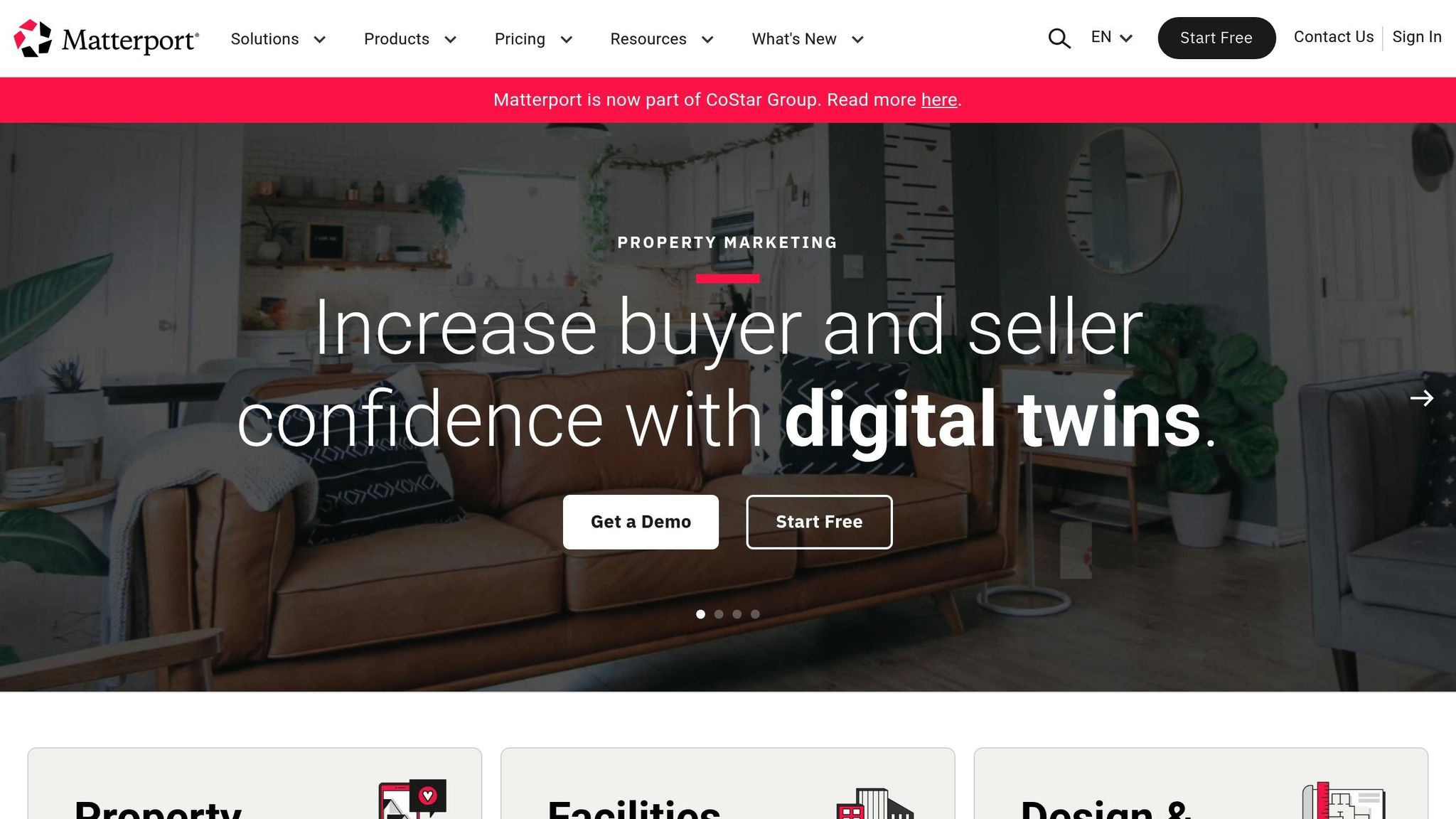
When it comes to virtual tours, Matterport is a go-to solution. Using its specialised 3D cameras, you can create highly accurate, immersive walkthroughs of spaces. This technology is particularly effective for showcasing show units or completed sections of developments, offering potential buyers a realistic sense of the property’s scale and layout.
On the hardware side, high-performance graphics cards are indispensable for rendering complex scenes efficiently. Workstations equipped with dedicated GPUs not only speed up rendering but also streamline workflows, saving valuable time.
To deepen the immersive experience, devices like the Oculus Quest 2 and HTC Vive bring virtual reality to life. These VR headsets allow buyers to explore properties in full scale, offering an emotional connection that traditional marketing simply can’t replicate.
By combining these tools with multi-platform accessibility, marketers can create experiences that captivate and engage buyers more effectively.
Platform Access for Buyers
Reaching buyers across multiple platforms is essential in today’s digital-first world. Whether on desktops, tablets, or smartphones, modern buyers expect smooth and engaging experiences.
Desktops, with their large screens, are perfect for detailed property explorations, allowing buyers to appreciate finer design elements – a must for those making serious evaluations.
On the other hand, mobile-optimised virtual tours cater to buyers who prefer to browse on the go or from the comfort of their homes. With touch-based navigation, these tours feel intuitive and make it easy to explore spaces on smaller devices.
Ensuring a consistent experience across platforms is key. Virtual tours that load quickly and maintain high visual quality, even on slower connections, tend to perform better. This is particularly important in South Africa, where internet speeds can vary. Platforms optimised for local conditions ensure a smooth and enjoyable user experience.
Web-based solutions further simplify access. Buyers can view virtual tours directly through property websites or marketing emails, removing unnecessary steps. This approach is especially useful for international buyers who might be researching properties from different time zones.
3D Rendering Services South Africa Solutions
3D Rendering Services South Africa leverages these technologies to meet the unique needs of the local market. Their work combines technical skill with an understanding of South African buyer preferences and market trends.
Their realistic visualisations bring properties to life, reflecting styles that resonate with local audiences. From sleek modern designs to classic Cape Dutch architecture, their renders capture the essence of each property.
Virtual staging is another powerful tool in their arsenal. By digitally furnishing empty spaces, they help buyers imagine themselves living in the property. This approach is particularly impactful for high-end developments, where aspirational lifestyles play a major role in purchasing decisions.
For properties still under construction, their VR solutions offer a way to step inside homes that don’t yet exist. Compatible with various VR platforms, these experiences are invaluable for international buyers who can’t visit in person.
To complement 3D renders, their interactive floor plans provide clarity on room layouts and traffic flow, addressing practical concerns like daily living arrangements. When paired with virtual tours, these floor plans offer a comprehensive way to explore a property.
Beyond visual content, the company supports developers with tailored marketing strategies. This includes advice on how to sequence presentations, target the right audiences, and integrate visual assets into broader campaigns.
Finally, their web development services ensure that all visual content is showcased effectively online. Custom property websites are designed to drive engagement and conversions, with features optimised for South African internet conditions to ensure fast loading and smooth navigation. This seamless integration of technology and strategy helps developers make a lasting impression on potential buyers.
How to Get the Most from 3D Renders and Virtual Tours
Adding Visuals to Marketing Campaigns
Incorporating 3D renders and virtual tours into your marketing strategy can transform how potential buyers interact with your properties. Instead of relying on static images, these interactive visuals allow buyers to explore and connect with properties – even before construction is completed. This approach builds trust and excitement, giving buyers a clearer vision of the development.
Social media campaigns thrive on engaging visual content. Short video walkthroughs or teaser clips from virtual tours can generate far more interest than static property photos. Listings featuring video walkthroughs often see a noticeable increase in inquiries. Platforms like Instagram and Facebook are perfect for sharing preview clips that highlight a property’s standout features, with links directing viewers to the full virtual tour on your website.
Email marketing becomes more engaging when interactive visuals are added. Include clickable links to virtual tours or animated GIFs of 3D renders to draw more attention and improve click-through rates. Instead of long text descriptions, let the visuals do the talking, giving buyers a chance to experience the property firsthand.
Cross-platform integration is key. For instance, print advertisements can include QR codes linking directly to virtual tours, bridging the gap between traditional and digital media. Hosting live virtual open houses via platforms like Zoom is another game-changer. These sessions allow agents to guide buyers through 3D tours in real time, creating a dynamic experience that mirrors in-person viewings. These strategies can be tailored to align with the preferences of South African buyers.
Matching Visuals to Local Preferences
Once visuals are part of your campaign, it’s essential to customise them to reflect South African values and lifestyles. Buyers in South Africa have specific preferences, and addressing these in your visuals can turn casual interest into genuine commitment.
For example, outdoor living is a cornerstone of South African culture. Showcase outdoor spaces with braai areas, comfortable furniture, and landscaping that features indigenous plants. By staging these areas realistically, buyers can easily imagine hosting family gatherings or social events in the space.
Energy efficiency is another key consideration. With ongoing power challenges, buyers are increasingly drawn to properties with features like solar panels, energy-efficient lighting, and water-saving systems. Highlight these elements in your 3D renders with clear annotations to appeal to buyers looking for cost-effective and eco-conscious living options.
Security features are important but should be presented subtly. Instead of making the property look overly fortified, focus on features like secure parking, perimeter walls, and access control systems. If the property is part of a gated community, frame these features as lifestyle benefits rather than just security measures.
Different buyer groups have varying priorities, so tailor your visuals accordingly. Young professionals often look for sleek kitchens, smart home technology, and proximity to business hubs. Families may value spacious gardens, play areas, and plenty of storage. Retirees, on the other hand, tend to prefer accessible layouts, low-maintenance gardens, and easy access to healthcare facilities. Customising virtual tours to highlight these features for each target audience can greatly enhance their appeal.
Professional Presentation Tips
The way you present your visuals can make or break a buyer’s perception of the property. High-quality, professional presentation not only enhances trust but also helps buyers feel a personal connection to the space.
Ensure your visuals are tailored for South African audiences by using metric measurements, formatting prices in rand (e.g. R 2 500 000), and following local spelling conventions.
Use high-resolution images to showcase finishes and details clearly. Consistent lighting, colour schemes, and branding across all 3D renders and virtual tours create a polished look that feels cohesive and professional.
Make sure your virtual tours are mobile-friendly and load quickly to avoid frustrating potential buyers.
Design your virtual tours with a narrative flow that makes sense. Start with an impressive entrance or main living area and guide the viewer naturally through the space. Include pauses at key features, and consider using text overlays or subtle audio cues to draw attention to standout elements without overwhelming the viewer.
Choose the right visuals for each platform. Detailed 3D renders work well in brochures to highlight specific spaces or architectural details, while full virtual tours are better suited for websites and email campaigns. For social media, opt for short, attention-grabbing clips that are optimised for quick viewing.
Ultimately, the goal is to strike a balance between professionalism and personal connection. Your visuals should inspire confidence while helping buyers imagine themselves living in the space. By doing so, you create a memorable experience that resonates with your audience.
sbb-itb-f5a6292
Measuring Results: Metrics and Case Examples
Key Performance Indicators (KPIs)
When it comes to off-plan property sales, the impact of 3D renders and virtual tours can be measured through specific metrics. These include engagement, sales velocity, and conversion rates, all of which provide insight into how these tools influence buyer behaviour.
Virtual tours, for instance, tend to hold a buyer’s attention much longer than static photo galleries. Buyers who engage with these interactive visuals often turn out to be more qualified leads because they’ve already explored the property in detail online.
Sales velocity also improves with the use of visual marketing tools. Off-plan developments leveraging 3D renders and virtual tours often close deals faster than those relying on traditional methods. This is because buyers gain a clearer understanding of what they’re purchasing, reducing hesitation.
Conversion rates from initial enquiries to completed sales see a boost as well. By using detailed visual content, developers help buyers overcome the uncertainty often associated with off-plan purchases. These tools make it easier for buyers to imagine the finished product, fostering greater confidence in their decisions.
Additionally, high-quality visuals can lead to better sale prices. Buyers perceive more value, feel assured in their choices, and are willing to pay accordingly. Together, these metrics highlight how visual marketing can drive success in off-plan sales.
Industry Case Examples
South African developers provide compelling examples of how these metrics translate into real-world results. For instance, a residential project in Sandton saw a surge in pre-sales after launching a virtual tour campaign. Buyers spent significantly more time interacting with the virtual tour than with traditional photo galleries, resulting in more qualified leads and quicker sales.
In another case, a Cape Town coastal development used 3D renders to showcase various unit layouts and finishes. By allowing buyers to virtually explore different configurations, the project shortened its average sales cycle and achieved higher conversion rates from enquiry to sale.
Meanwhile, a mixed-use development in Johannesburg integrated virtual tours into its off-site sales strategy. Sales agents used tablets to guide buyers through the property during remote meetings. This approach proved particularly effective during periods when in-person site visits weren’t possible, maintaining steady sales momentum.
Tracking and Analytics Tools
To measure the effectiveness of these visual tools, platforms like Google Analytics can track key metrics such as tour completion rates, time spent on virtual tours, and the popularity of specific features. Heatmap tools provide insight into click patterns, while video analytics reveal play rates and drop-off points. These insights help refine your content and identify the elements that resonate most with buyers.
Integrating your CRM with virtual tour data can further enhance your sales strategy. By tracking which prospects have interacted with your visual content, you can tailor follow-ups and improve conversion rates.
Social media analytics also play a role by showing how your visual content performs across platforms. Metrics like shares, comments, and click-through rates provide a snapshot of audience engagement.
Regular reporting is crucial for demonstrating the return on investment (ROI) to stakeholders. Monthly dashboards that showcase metrics such as engagement rates, lead generation, and sales attribution can justify continued investment in visual marketing.
For developers looking to optimise their efforts, 3D Rendering Services South Africa offers tools to track and analyse the performance of visual campaigns, ensuring you can measure and improve ROI effectively.
Conclusion
Main Points
As we’ve seen through the case studies and metrics discussed earlier, immersive visuals deliver real, measurable results. Tools like 3D renders and virtual tours have transformed off-plan property marketing by creating engaging experiences that build buyer confidence, speed up decision-making, and improve conversion rates.
Better engagement leads to higher-quality inquiries, while shorter sales cycles benefit developers with improved cash flow and buyers with quicker access to their ideal units. High-quality visuals excel on digital platforms, consistently driving interest and conversions. The noticeable improvements in engagement, lead quality, and conversion rates highlight the power of a well-executed visual marketing strategy.
With these advantages in mind, here’s why working with us can give your project the edge it needs.
Why Choose 3D Rendering Services South Africa?
For property developers and agents looking to boost off-plan sales in South Africa, 3D Rendering Services South Africa offers a tailored, all-in-one solution. Our services include 3D renders, virtual staging, floor plans, and VR experiences crafted specifically for the local property market.
We provide everything you need to present properties in the best possible light and achieve faster sales. With a deep understanding of the South African property landscape, we create visuals that resonate with local buyers and meet their expectations.
Whether you’re marketing a high-end development in Sandton, a beachfront project in Cape Town, or a mixed-use complex in Johannesburg, our architectural visualisation services are designed to shorten your sales cycle and amplify your marketing efforts. Our blend of technical expertise, market insight, and a broad range of services makes us the go-to partner for off-plan property marketing success in South Africa. Our dedication to delivering top-tier visuals aligns perfectly with our proven track record in the local market.
Creating Matterport Real Estate Virtual Tours
FAQs
How do virtual tours and 3D renders build buyer confidence when purchasing off-plan properties?
Virtual tours and 3D renders play a key role in boosting buyer confidence by providing detailed, lifelike previews of properties that are still under construction. These tools make it possible for potential buyers to thoroughly explore the layout, design, and features of a home, offering a clear picture of what the finished property will look like and easing any uncertainties they might have.
By helping buyers visualise the completed space, these technologies create an emotional connection and build trust. They make the property feel more real, helping buyers make decisions faster and with greater certainty, which strengthens their confidence in the purchase.
What are the main advantages of using 3D renders and virtual tours for South African property developers?
For South African property developers, 3D renders and virtual tours have changed the game compared to old-school marketing methods. These tools make it possible for buyers to see and experience properties without ever leaving their homes. This is especially useful for off-plan developments, where the actual buildings might still be under construction – or even just an idea on paper.
By offering lifelike visuals and interactive tours, developers can speed up the sales process. Buyers feel more confident when they can explore a property in detail, even if it doesn’t physically exist yet. Plus, these technologies save money by cutting down on the need for physical staging and reducing the number of site visits. With these advanced visual tools, developers can share their vision more effectively, helping buyers understand the project and boosting sales in the process.
How can property developers in South Africa use 3D renders and virtual tours to attract both local and international buyers?
To successfully market off-plan properties in South Africa, developers can use 3D renders and virtual tours to bring their projects to life. These tools let potential buyers explore properties remotely, giving them a realistic feel for the size, layout, and finishes of the homes.
Incorporating local architectural styles and design elements can make these developments more appealing to South African buyers. Developers can also leverage targeted digital campaigns on platforms like social media and global property websites to reach both local and international audiences. Emphasising features such as energy-efficient designs, contemporary layouts, and distinctive finishes can help spark interest and boost sales.
Tailoring marketing materials with South African-specific details – like prices in Rands (R) and measurements in square metres – ensures a polished and user-friendly experience for all buyers.
Related Blog Posts
- Why South African Developers Are Switching to 3D Renders in 2025
- How to Market Off-Plan Developments in South Africa with 3D Renders
- 3D Floor Plans: A Must-Have for Modern Property Listings in SA
- How to Stand Out in South Africa’s Competitive Property Market with 3D Visualisation

